26 Nov 2025
Layers : Japanese painting after Second World War, from Asō Saburō to Imai Toshimitsu
Paris, France
The École des modernités
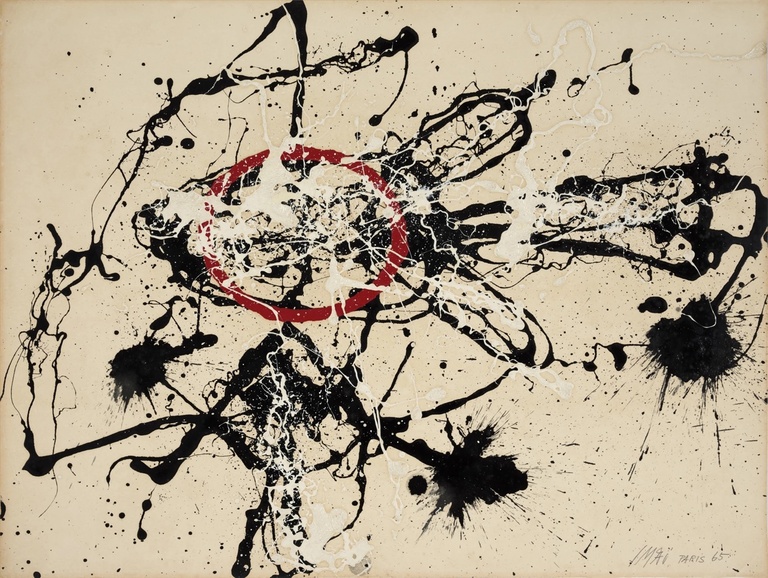
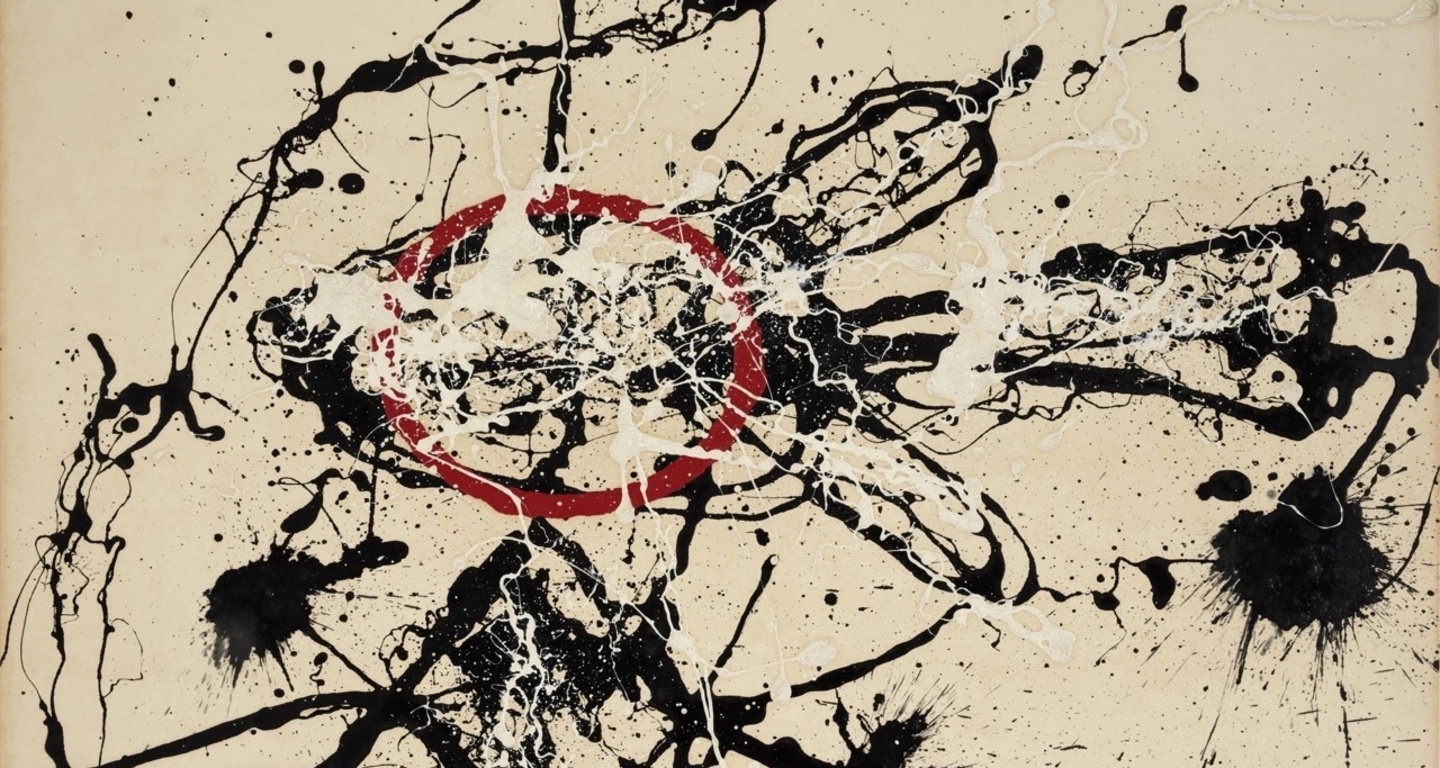
In Japanese aesthetics, there is a distinct appreciation for irregular surfaces—those that one contemplates closely and for a long time. The abstract works created by Japanese artists after 1945, some of whom were based in Paris, such as Imai Toshimitsu, Dōmoto Hisao, and Satō Kei, reflect this aesthetic. This focus on material and texture takes on its full meaning when viewed in the context of global exchanges: it stands, in fact, in contrast to the two dominant movements in the West at the time—one centered on the conquest of space, the other on the liberation of the sign.

26 November, 6:30 PM
Giacometti Lab et en direct sur Youtube
By Michael Lucken
Conference in French
Videos