
Avec l'aimable autorisation de Gilles Berillon.
Company, foundation or individual, you can support the activities of the Giacometti Institute
GIACOMETTI FOUNDATION
3 bis cour de Rohan
75006 Paris
+33 1 44 54 52 44
Avec l'aimable autorisation de Gilles Berillon.
In the aftermath of the Second World War, Alberto Giacometti, whose work was closely associated with existentialism, emerged as the sculptor of the human condition. He distilled both its aspirations and its tragedy into the now-iconic figure of Walking Man, 1959–1960.
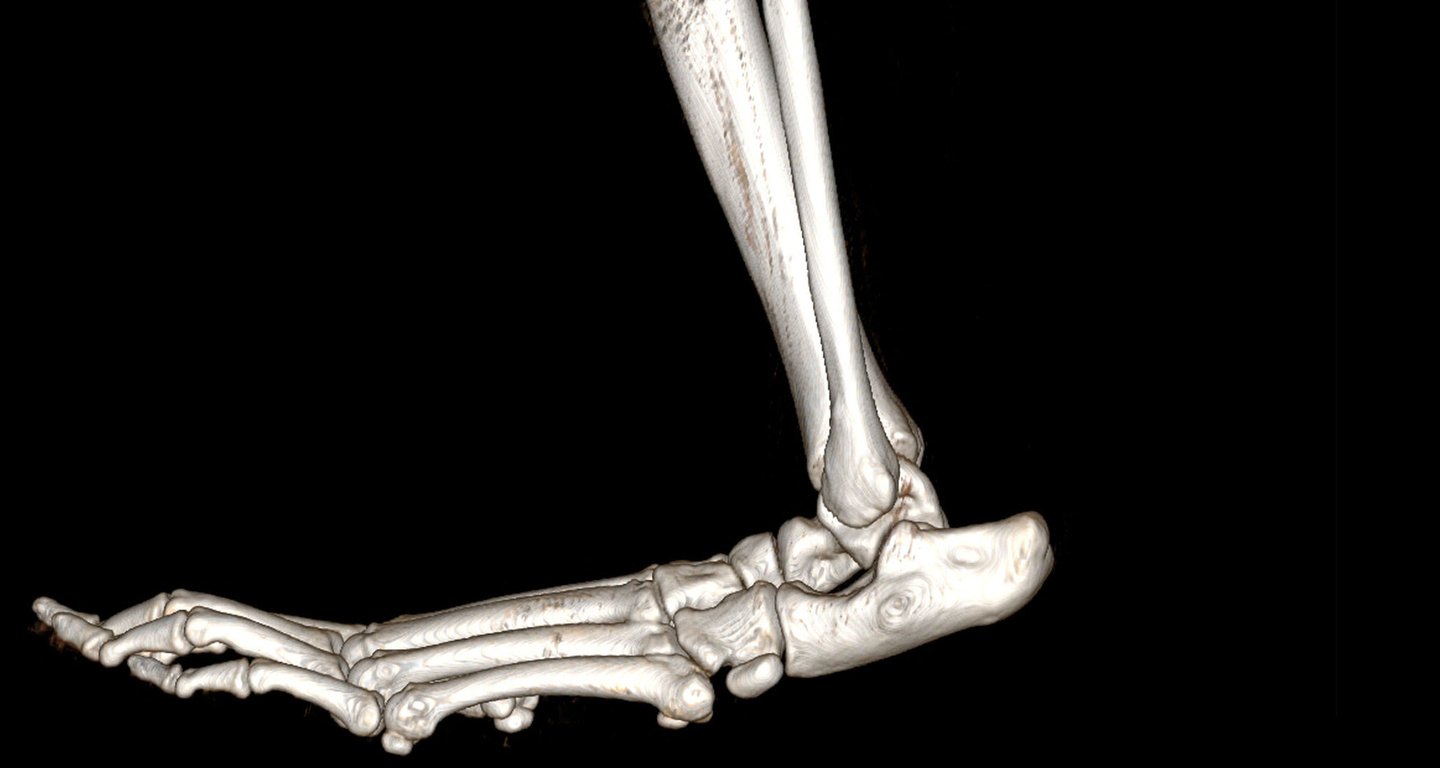
For more than four million years, the palaeontological record has provided evidence of numerous primate species closely related to humans. These hominins were capable of standing upright in a variety of environments, from forests to savannahs, and across a wide range of terrestrial habitats. Drawing on palaeoanthropology and comparative anatomy, this talk explores bipedal posture, its diversity throughout the past, and some of its possible underlying origins.
Gilles Berillon, paleoanthropologist and Research Director at the French National Centre for Scientific Research (CNRS), conducts research in both archaeological and experimental settings. His work focuses on the biological diversity of past and present humans, with a particular interest in human locomotion, which is unique among primate species.
Portrait Gilles Berillon.
Wednesday, 9 December 2026, at 4 pm
At the Institut Giacometti, 5 rue Victor-Schœlcher, Paris 14th arrondissement
As part of the exhibition "Alberto Giacometti / Olivia Rosenthal: Coming Out of the Wood", 11 November 2026 – 21 February 2027.